About NAPUA
An independent standards body providing lifecycle governance for privately owned buried utility infrastructure on private property across the United States and Canada.
NAPUA has launched
NAPUA launched publicly on April 1, 2026, during Dig Safe Month. Our committees are now developing guidance, and we continue to build balanced representation across our stakeholder groups.
Why NAPUA exists
Private property damage events rarely begin in the field. They originate earlier in the project lifecycle when subsurface risk is not properly investigated, documented, or coordinated.
NAPUA was established to define that structure.
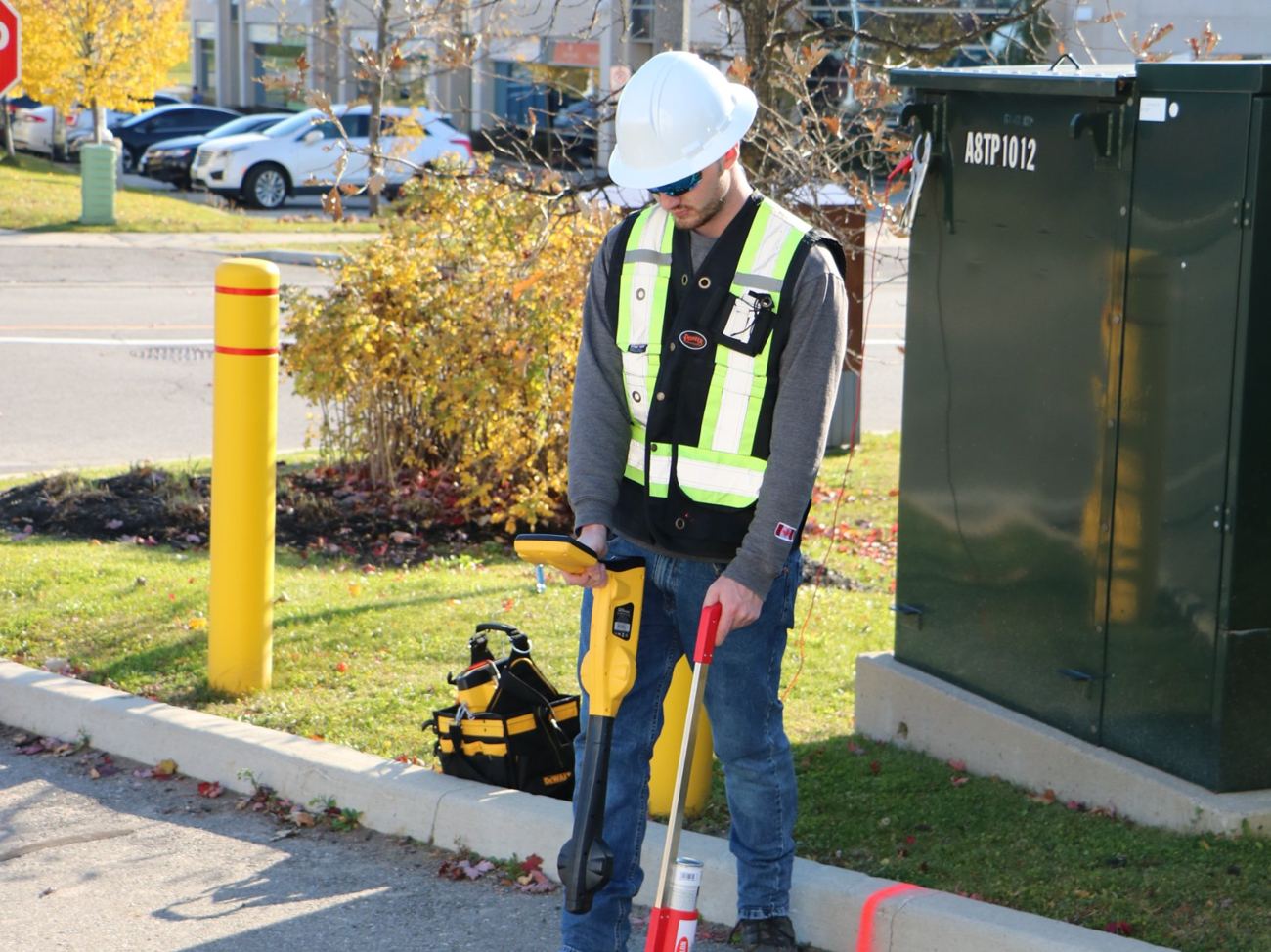
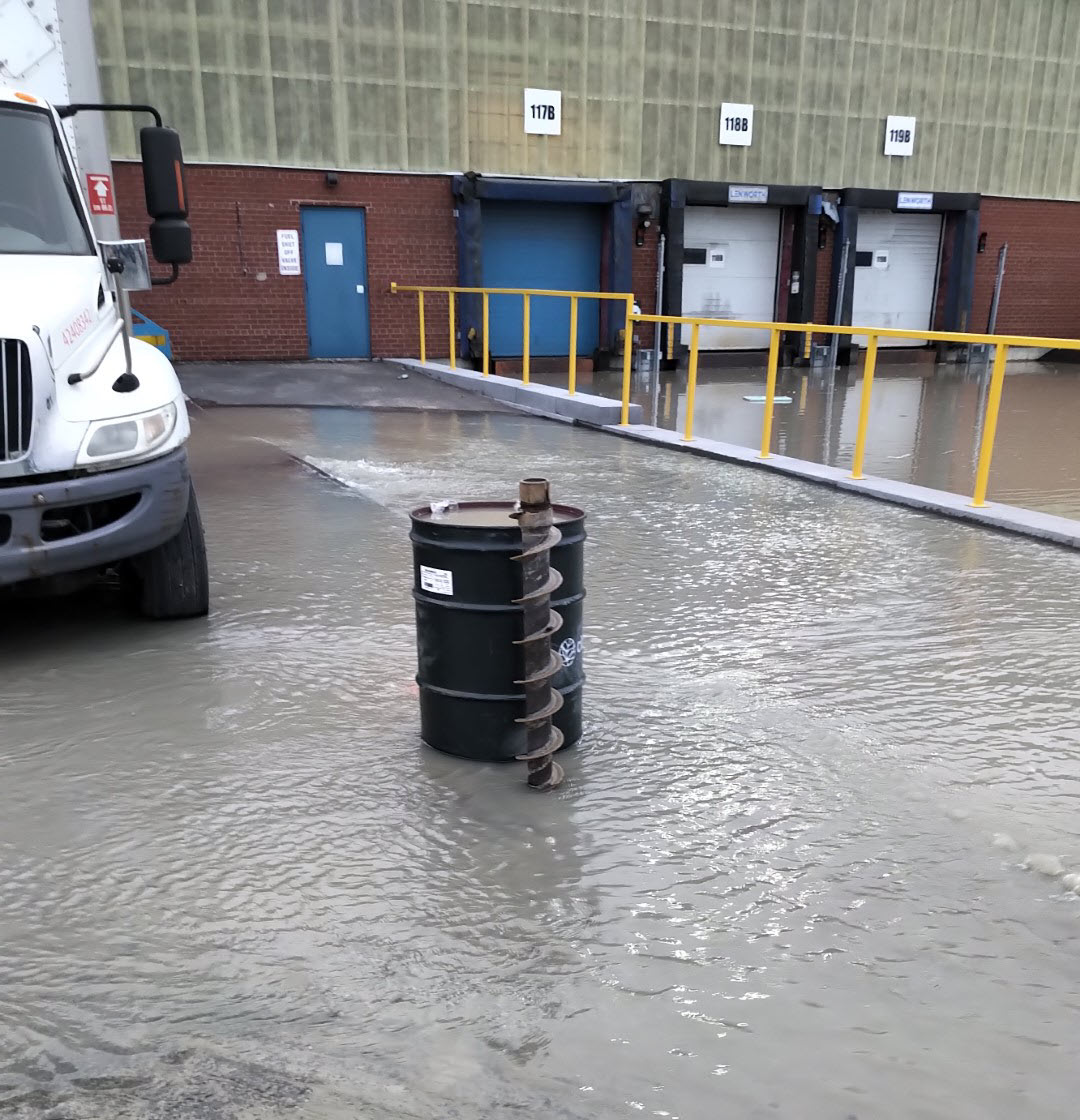
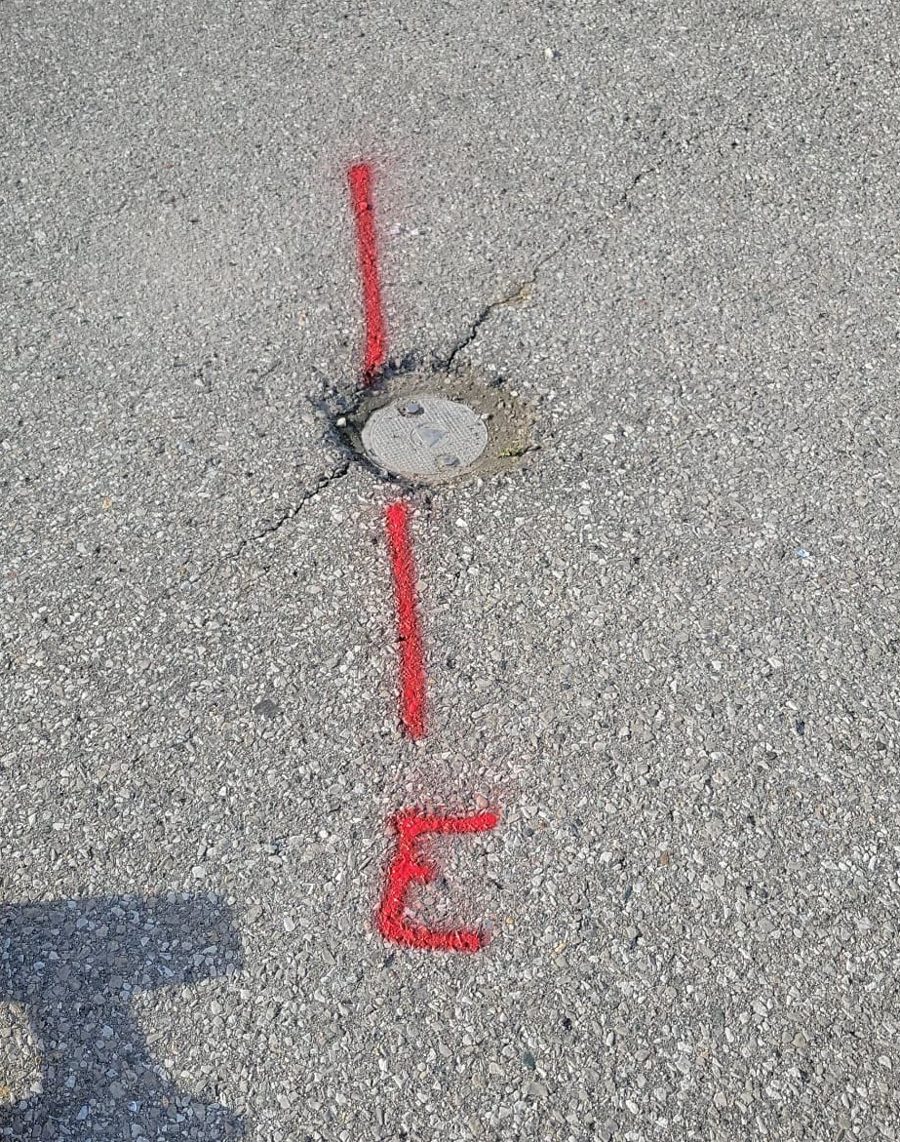
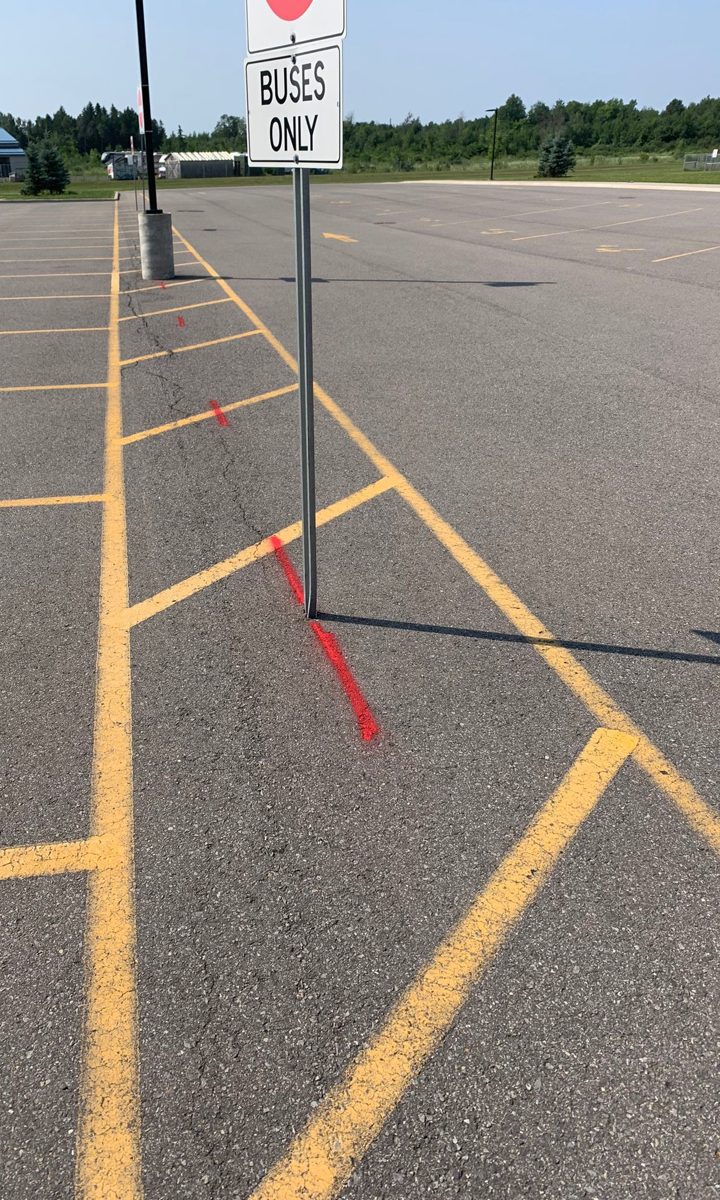
What this looks like in the field
Each of these put the public and workers at risk, and each started before anyone reached the field.
What makes NAPUA different
NAPUA fills the gap no one else was built to cover: buried utility infrastructure on private property.
- Focused on privately owned buried utility infrastructure on private property
- Works in the Notification and Locate Phase and the Operational Phase, where buried lines are physically encountered
- Brings all four stakeholder groups to one table
- Best Practices (the what), companion Guidelines (the how) and competency-based education
- Defines the role of the Damage Prevention Specialist
- An independent U.S. 501(c)(3) nonprofit, putting public and worker safety first
Our place in the damage prevention ecosystem
NAPUA works alongside the organizations that already protect buried infrastructure.
Notify public utility owners, who mark their own lines or have their agents mark them. NAPUA points people to them first and never replaces them.
Manages underground risk during design, with organizations such as the Subsurface Utility Engineering Association (SUEA), which represents SUE firms across the United States and Canada. NAPUA’s Life Cycle Model builds on SUE where it exists and fills the gap where it does not.
Such as the Common Ground Alliance (CGA) in the United States and the Canadian Common Ground Alliance (CCGA) in Canada, along with regional damage prevention councils, which address damage prevention broadly. NAPUA focuses on the private property gap.
Such as NULCA in the United States, which accredits locator training programs, and CAPULC in Canada, which sets a national locating and marking standard and recognizes training providers through its Education and Training Partner Program. NAPUA’s education complements locator training; it does not replace it.
Use NAPUA’s Best Practices and documentation expectations as a common reference for risk, claims and responsibilities.
Built by the Industry, for the Industry
Professionals from across the industry give every side of private property ground disturbance a voice.
Governance and direction
Directors come from:
- Private locating
- One Call (811)
- Public works
- Infrastructure policy and law
- Damage prevention publishing and training
Technical Advisory and Standards Committee
Members come from:
- Private locating
- Ground disturbance and drilling
- Subsurface utility engineering
- Insurance
- Law
- Safety and training
TASC develops and reviews the NAPUA Best Practices and Guidelines, drawing on members who also serve on national and provincial standards committees.
Why NAPUA matters
The risk is greatest on private property, where regulatory clarity often stops at the edge of the public right of way, putting the public and workers at risk.